

Introduction
In today’s fast-paced world, health and wellness have become more important than ever. With rising cases of chronic illnesses, mental health challenges, and sedentary lifestyles, people are seeking ways to live healthier, more balanced lives. Health and wellness are not just about the absence of disease—they encompass physical fitness, mental clarity, emotional stability, and overall well-being.
1. Understanding Health and Wellness
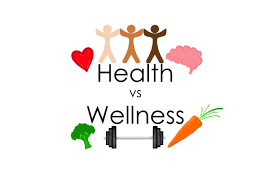
Health refers to the state of being free from illness or injury, while wellness is the active pursuit of a healthy and fulfilling life. Wellness goes beyond physical health and includes emotional, mental, social, spiritual, and even financial well-being.
Achieving wellness requires intentional daily choices in areas such as nutrition, exercise, sleep, stress management, and relationships.
2. The Pillars of a Healthy Lifestyle
To live a truly healthy and balanced life, one must focus on key areas:
-
Nutrition: A balanced diet rich in fruits, vegetables, whole grains, and lean proteins fuels the body and strengthens the immune system. Avoiding processed foods, sugary drinks, and excessive salt is essential.
-
Physical Activity: Regular exercise helps maintain a healthy weight, boosts mood, improves cardiovascular health, and reduces the risk of diseases. Even simple activities like walking, stretching, or dancing can make a big difference.
-
Sleep: Quality sleep is essential for body repair, mental clarity, and emotional stability. Most adults need 7–9 hours of sleep per night.
-
Mental Health: Practices such as mindfulness, meditation, journaling, and seeking professional counseling when needed can greatly improve mental and emotional well-being.
-
Hydration: Drinking enough water each day supports digestion, energy levels, and detoxification.
3. Wellness in the Digital Age
Technology has brought both challenges and solutions for our well-being. On one hand, screen time and social media overuse can lead to anxiety and poor sleep. On the other hand, health apps, online fitness classes, and mental health platforms offer tools for tracking progress and accessing support anytime, anywhere.
It’s important to use technology wisely and take breaks to connect with nature and people in real life.
4. Community and Social Wellness
Human beings thrive in connection with others. Strong social bonds can reduce stress, improve mood, and even extend life expectancy. Being part of a community, volunteering, or simply spending time with family and friends can significantly improve your sense of belonging and happiness.
5. Preventive Health Care
Regular health check-ups, vaccinations, and screenings play a crucial role in detecting potential issues early. Preventive care not only saves lives but also reduces healthcare costs in the long run.
6. Wellness Is Personal
Everyone’s path to wellness is unique. What works for one person might not work for another. It’s important to listen to your body, set realistic goals, and make gradual, sustainable changes.
Conclusion
Health and wellness are lifelong journeys, not destinations. By making conscious choices every day—eating well, staying active, nurturing your mind, and connecting with others—you can lead a more vibrant, balanced, and fulfilling life. Remember, small steps lead to big results. Your health is your greatest wealth—invest in it.