
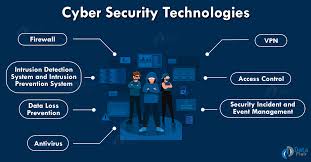

In an era where technology permeates every aspect of our lives—from communication and banking to healthcare and entertainment—cybersecurity has become more important than ever. As digital transformation accelerates globally, safeguarding sensitive information and maintaining trust online is a top priority for individuals, businesses, and governments alike.
Understanding Cybersecurity
Cybersecurity refers to the practices, technologies, and processes designed to protect computers, networks, programs, and data from unauthorized access, attacks, or damage. These cyber threats can come in many forms, including malware, phishing attacks, ransomware, data breaches, and identity theft.
With the rapid advancement of technology, cybercriminals are becoming more sophisticated, exploiting vulnerabilities in software, hardware, and human behavior. This makes cybersecurity a constantly evolving challenge that requires vigilance, innovation, and proactive measures.
Why Cybersecurity Matters
-
Protecting Personal Data: Every day, individuals share vast amounts of personal data online—through social media, e-commerce, online banking, and more. Cybersecurity helps keep this information safe from hackers who might misuse it for fraud or identity theft.
-
Business Continuity: For businesses, cyberattacks can disrupt operations, cause financial loss, and damage reputation. Robust cybersecurity strategies ensure that companies can operate securely and maintain customer trust.
-
National Security: Governments face cyber threats targeting critical infrastructure, including power grids, transportation systems, and defense networks. Protecting these systems is essential for national security and public safety.
Key Cybersecurity Technologies and Practices
-
Firewalls and Antivirus Software: These tools act as barriers and scanners to prevent and detect malicious activity.
-
Encryption: Encoding data so that only authorized parties can read it protects sensitive communications.
-
Multi-Factor Authentication (MFA): Requires users to verify identity through multiple methods, reducing the risk of unauthorized access.
-
Regular Software Updates: Keeping systems updated closes security loopholes that hackers could exploit.
-
Employee Training: Human error remains one of the weakest links; educating users on recognizing threats like phishing can prevent breaches.
The Future of Cybersecurity
Emerging technologies such as artificial intelligence (AI) and machine learning are transforming cybersecurity by enabling faster threat detection and response. However, they also present new challenges, as cybercriminals can leverage AI to create more sophisticated attacks.
Additionally, the rise of the Internet of Things (IoT)—with billions of connected devices—expands the attack surface, requiring innovative security approaches tailored to these devices.
Conclusion
As technology continues to advance and integrate deeper into our daily lives, cybersecurity will remain a critical pillar of the digital ecosystem. Staying informed about the latest threats and best practices is essential for everyone—from individual users to large organizations. By prioritizing cybersecurity, we can build a safer, more resilient tech-driven future.